

X-SENSE is highlighting the importance of proper smoke alarm placement as part of everyday home fire safety. While installing smoke alarms is an essential.
WILMINGTON, Del., Nov. 25, 2026 — X-SENSE is highlighting the importance of proper smoke alarm placement as part of everyday home fire safety. While installing smoke alarms is an essential precaution, their location, condition, and maintenance can affect how effectively they warn residents of danger.
A smoke alarm installed in the wrong location may not provide the early warning a household needs. Understanding where alarms belong, how to maintain them, and when additional coverage may be necessary can help residents make informed safety decisions.
Why Smoke Alarm Placement Matters
Smoke can spread through a home before occupants become aware of a fire. Properly positioned alarms are designed to detect smoke and provide an audible warning, allowing residents to begin evacuating.
According to the National Fire Protection Association (NFPA), smoke alarms should be installed inside every bedroom, outside each separate sleeping area, and on every level of a home, including the basement.
Placement becomes particularly important in larger properties or homes with multiple floors. An alarm sounding in a basement, for example, may be harder to hear from an upstairs bedroom, especially when doors are closed.
When selecting a smoke alarm, homeowners should consider the property’s layout, the number of sleeping areas, and whether interconnected detection would provide more effective coverage.
Where Should Smoke Alarms Be Installed?
Ceilings and high wall positions are generally recommended because smoke rises as it spreads. However, installation instructions should always take priority, particularly where ceiling shapes or room layouts create special considerations.
For suitable household coverage, residents should consider installing alarms in the following locations:
Bedrooms: Inside each sleeping room to provide warning while occupants are asleep.
Hallways: Outside sleeping areas, particularly where bedrooms connect to shared living spaces.
Every floor: Including basements and finished upper levels.
Stairways and connecting areas: Where additional alarms may improve coverage in larger homes.
Location also matters when avoiding unnecessary alarms. Smoke detectors should generally be kept away from bathrooms, heating vents, ceiling fans, and drafty areas that may interfere with detection.
For cooking areas, the NFPA recommends keeping smoke alarms at least 10 feet from cooking appliances whenever possible to reduce nuisance alarms. Residents should follow applicable local requirements and manufacturer guidance when determining final installation positions.
How Interconnected Smoke Alarms Improve Household Coverage
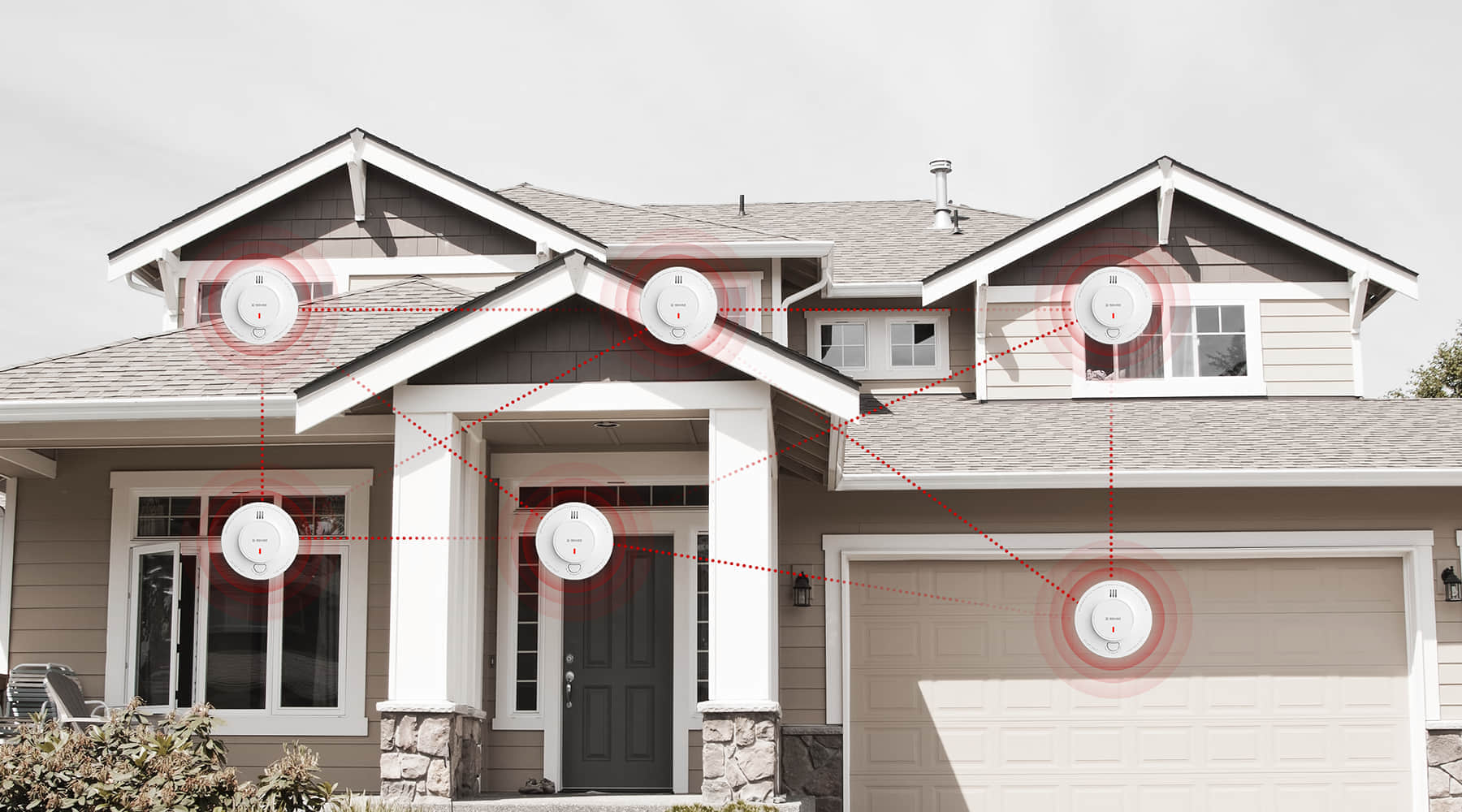
A single smoke alarm provides a warning in the area where it detects smoke. Interconnected systems extend that warning by allowing compatible alarms throughout the property to sound together.
This can be useful in multi-story homes, where a fire may begin far from occupied bedrooms.
X-SENSE SD19-W wireless interconnected smoke alarm is designed to communicate with compatible wireless alarms so that when one unit detects smoke, the connected alarms also sound.
The model features a sealed lithium battery with a stated service life of up to 10 years and uses photoelectric smoke detection. Its wireless interconnection can provide broader audible warning without requiring individual alarms to be connected through new household wiring.
Interconnected alarms must be compatible and installed according to the manufacturer’s instructions. They should complement, rather than replace, an appropriate household fire escape plan.
Regular Testing and Maintenance Are Essential
Even correctly positioned alarms require ongoing attention.
The NFPA recommends testing smoke alarms at least once a month using the test button. If an alarm fails to sound during testing, residents should follow the manufacturer’s troubleshooting guidance or replace the unit as necessary.
Dust buildup, damaged components, and aging batteries can also affect reliability. Homeowners should clean devices according to their instructions and investigate unusual chirping or warning signals promptly.
Smoke alarms generally need replacement 10 years after their manufacturing date, or sooner if required by the manufacturer. Models with sealed, non-replaceable batteries should be replaced when their end-of-life or low-battery warning indicates replacement is necessary.
Keeping a simple household maintenance schedule can make it easier to identify devices that need attention.
Everyday Fire Prevention Starts at Home
Smoke alarms are only one part of household fire protection. Preventing common fire hazards remains equally important.
Residents should avoid leaving cooking unattended, keep combustible materials away from active burners, and check electrical cords for visible damage.
Portable heaters should be placed away from curtains, furniture, and bedding. Overloaded electrical outlets and extension cords should also be addressed before they become hazards.
Households with fuel-burning appliances should additionally consider appropriate carbon monoxide detection. Smoke alarms do not detect carbon monoxide unless the device is specifically designed as a combination alarm.
Prepare a Household Escape Plan
Every household should have a clear response plan for a fire emergency.
Residents should identify two possible ways out of each room where practical, keep exits unobstructed, and establish a designated outdoor meeting location.
Children and other family members should understand the sound of a smoke alarm and know how to respond. Escape plans should be practiced regularly so everyone becomes familiar with the safest available routes.
When an alarm sounds and fire or smoke is suspected, occupants should leave immediately and contact emergency services from a safe location.
Proper alarm placement, routine maintenance, and practical fire prevention habits work together to strengthen household safety. Reviewing these measures periodically can help families remain better prepared for unexpected emergencies.
About X-SENSE
Founded in 2013, X-SENSE develops smoke alarms, carbon monoxide detectors, and environmental monitoring devices for residential use. The company reports that its products have reached more than 15 million households worldwide. Its product range includes standalone detectors, wireless interconnected alarms, and smart home safety devices designed to support household monitoring and early hazard detection.
Media Contact
Company Name: X-SENSE ELECTRONICS LLCContact Person: MartinEmail: partners@x-sense.comWebsite: https://www.x-sense.com/State/Country: Delaware, United States