JINAN, SHANDONG, CHINA, June 3, 2026 /EINPresswire.com/ — A Late-Night Call That Defines the Category
It is 9 p.m. at a food processing plant in northern Germany. A 0.8mm stainless steel hopper has cracked along a weld seam, and the production line cannot restart until the repair is complete. A maintenance technician arrives with a handheld laser welder, plugs into a standard power outlet, dials in a preset for thin stainless, and lays down a clean fish-scale bead in under twenty minutes. No grinding, no discoloration on the back side, no need to dismantle adjacent equipment. By 10 p.m., the line is running again.
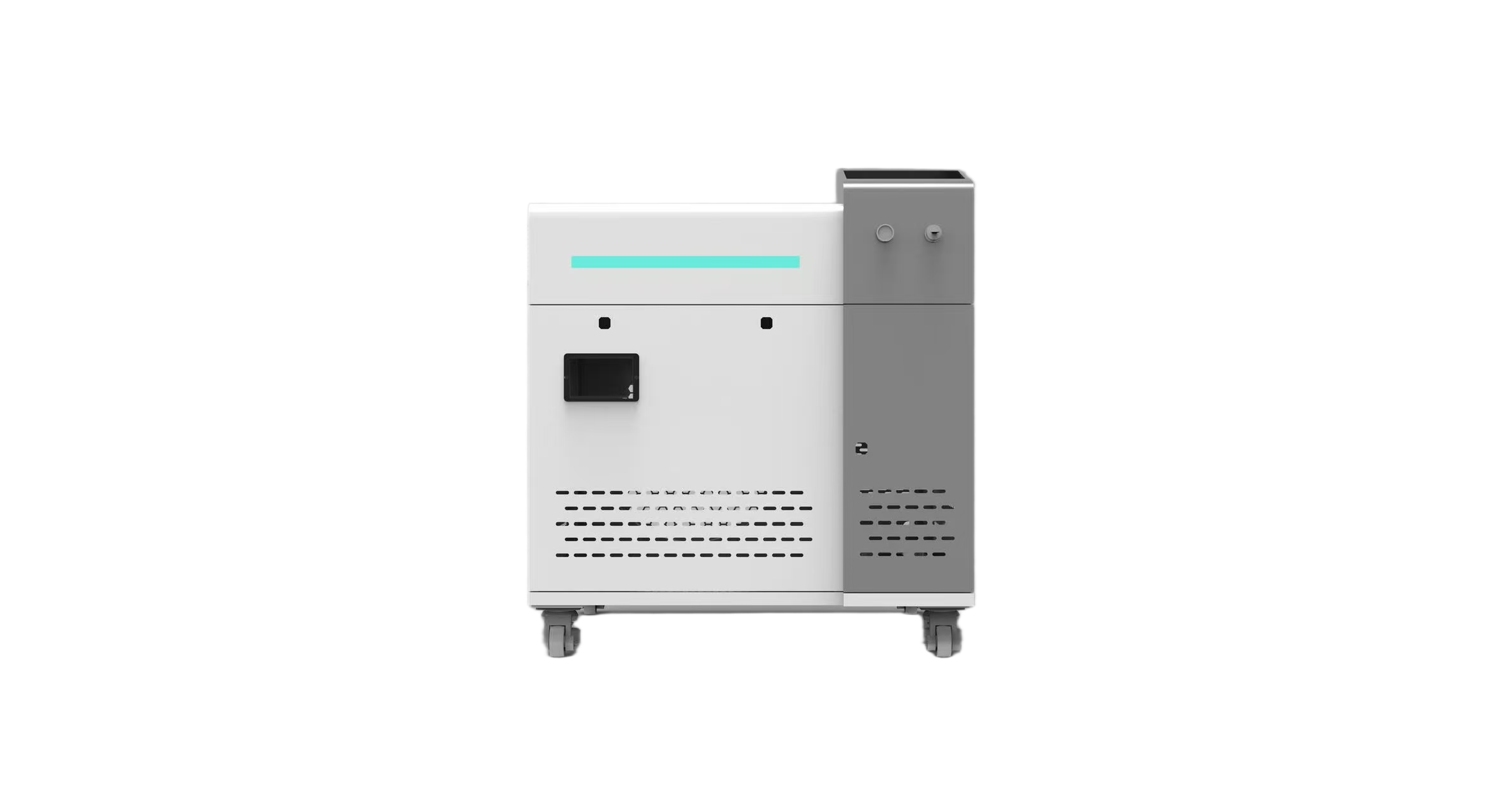
Scenes like this have quietly become routine across European, North American, and Middle Eastern maintenance operations over the past three years. The handheld laser welding category has matured rapidly, and the gap between entry-level units and professional-grade systems has widened. As a High-End Handheld Laser Welding Machine Manufacturer based in Jinan, Shandong Province—China’s largest laser equipment cluster—TOPTEK Laser has built its handheld welding line 1500W/2000W/3000W/6000W fiber sources, Swiss-engineered wobble welding heads, and component selections aligned with European and North American engineering standards. The result is a tool designed less for one-off demos and more for the repetitive, varied conditions that precision maintenance work actually involves. This guide outlines what buyers should look for, using TOPTEK’s product configuration as a reference point.
Defining “High-End” in the Context of Precision Maintenance
The Real Pain Points on a Maintenance Site
Precision maintenance rarely involves cutting clean new plates in a controlled workshop. It involves repairing a 0.8mm stainless steel hopper that has cracked along a stress line, patching a 3mm aluminum cabinet at a customer’s facility, or rebuilding the edge of a 8mm carbon steel mold that cannot be removed from a production line. Two requirements dominate: low heat input, so the thin or finished workpiece does not distort or discolor; and a clean weld bead, so grinding and polishing afterward are minimal or unnecessary.
For metal thicknesses in the 0.4mm to 8.0mm range, this means choosing a system that gives the operator fine control over energy delivery rather than raw power alone. Going beyond 3000W on a handheld unit rarely improves maintenance outcomes—it usually increases heat-affected zones and makes thin material harder to handle.
What “High-End” Actually Means
A useful definition centers on three things: power range matched to the work, beam manipulation that compensates for hand tremor and fit-up gaps, and component pedigree that supports duty cycles measured in years rather than months. The 1500W–3000W band covers the bulk of stainless, aluminum, galvanized, and carbon steel maintenance work. Wobble heads—oscillating the beam in patterns such as circles, figure-eights, or lines—widen the effective weld track, bridge small gaps, and produce the fish-scale appearance that quality inspectors associate with skilled TIG work. Pairing these heads with internationally recognized optical and electrical components removes much of the variability that plagues lower-tier products.
Hardware Selection: Three Foundations of Stability
The Laser Source and Cooling Loop
The fiber laser source is the heart of the system, and its stability over an eight-hour shift is where many handheld units fall short. TOPTEK Laser configures its handheld welders with original-brand industrial fiber sources from leading domestic laser specialists, matched to industrial chillers sized for continuous duty. Each unit goes through a 48-hour aging test before shipment, running at rated output to confirm the laser, chiller, and control electronics hold their parameters without drift.
For a maintenance contractor, this matters in a specific way: a welder that drops 5% power output in the third hour of a job will produce inconsistent penetration on the same workpiece, which translates into rework. Sustained output at the rated wattage is what allows a single operator to deliver predictable results across a full shift.
The Handheld Head and Beam Manipulation
The Swiss-engineered wobble head is one of the components that defines the high-end handheld laser welding machine segment. Beyond the basic safety interlock and protective optics, the wobble function allows the operator to dial in oscillation width and pattern based on joint type. A 0.5mm gap on a corner joint, awkward to fill with TIG, becomes manageable with a 2mm circular wobble at moderate speed. Fillet welds on irregular castings—common in pump and valve maintenance—benefit from the same flexibility.
Operators with limited welding experience can produce acceptable results within hours of training, which is increasingly relevant given the shortage of certified welders in many regions.
Safety, Reach, and Daily Usability
Field maintenance often means working in tight or elevated positions—inside tanks, on scaffolding, alongside running equipment. TOPTEK’s handheld units carry safety certifications relevant to their export markets and ship with a 10-meter armored fiber cable as standard, giving the operator practical reach without dragging the power source through hazardous areas. Integrated safety features—nozzle contact sensing that disables emission unless the head is grounded to the workpiece—reduce the risk of accidental exposure, a non-negotiable point for any laser welding machine manufacturer serving European or North American buyers.
Service Filters: The Hidden Threshold for Maintenance Buyers
Process Libraries and Remote Commissioning
Hardware is only half of the purchase. A buyer evaluating any laser welding machine manufacturer should ask whether the supplier provides a built-in welding parameter library covering common materials—304 and 316 stainless, 5052 and 6061 aluminum, mild steel, galvanized sheet—at typical maintenance thicknesses. A new operator should not have to develop parameters from scratch on a customer’s broken equipment.
TOPTEK Laser ships its handheld welders with preset parameter groups by material and thickness, and offers remote commissioning support so that adjustments can be guided by an engineer in real time during the first jobs. Every TOPTEK sales contact has an engineering background, which means parameter questions are answered with reference to actual welding behavior rather than reading from a spec sheet.
Response Networks and Spare Parts
A handheld welder that goes down on a Friday afternoon and waits three weeks for a replacement nozzle or protective lens defeats the purpose of buying a maintenance tool. This is where geography becomes part of the specification.
TOPTEK Laser operates overseas service centers in South Korea, Turkey, and Europe, holding consumables and core spares locally and dispatching field engineers when on-site intervention is needed. For buyers in those regions, this changes the response calculation: a protective lens or wobble head consumable can usually be sourced within days rather than waiting on international air freight. With more than 10,000 laser systems delivered to over 80 countries, the supporting service footprint has grown alongside the installed base.
A Practical Checklist Before Signing the Purchase Order
Before committing to any high-end handheld laser welding machine manufacturer, buyers handling precision maintenance work tend to verify a short list of items: rated power matched to the actual thickness range, original-brand fiber source with documented aging test results, Swiss-engineered wobble head with adjustable patterns, certified safety interlocks, a fiber cable long enough for realistic site conditions, a parameter library covering the materials in scope, and a service network that can deliver parts and engineering support within the buyer’s region.
These criteria do not require a premium for marketing reasons. They reflect what separates a tool that earns its place in a maintenance fleet from one that quietly sits on a shelf after the first technical issue.
For detailed specifications, application case studies across stainless steel, aluminum, and carbon steel maintenance scenarios, and direct engineering consultation, visit https://www.topteklasercnc.com.
SHANDONG TOPTEK IMPORT & EXPORT CO., LTD.
TOPTEK Laser
+86 18963066609
info@toptekcn.com
Visit us on social media:
LinkedIn
Facebook
YouTube
Legal Disclaimer:
EIN Presswire provides this news content “as is” without warranty of any kind. We do not accept any responsibility or liability
for the accuracy, content, images, videos, licenses, completeness, legality, or reliability of the information contained in this
article. If you have any complaints or copyright issues related to this article, kindly contact the author above.

Media gallery